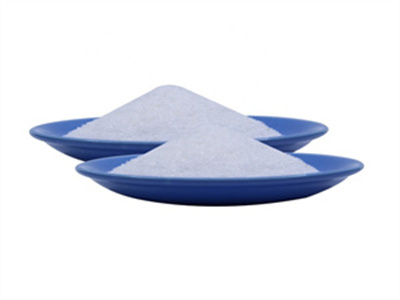
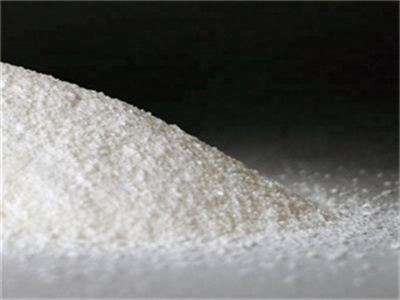
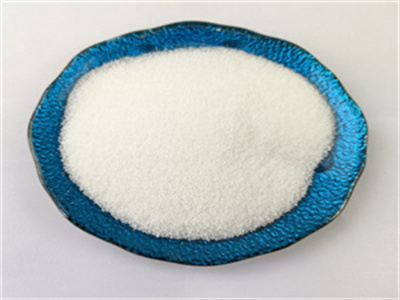
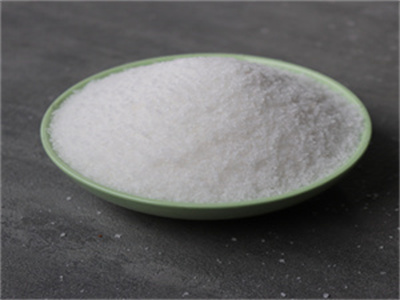
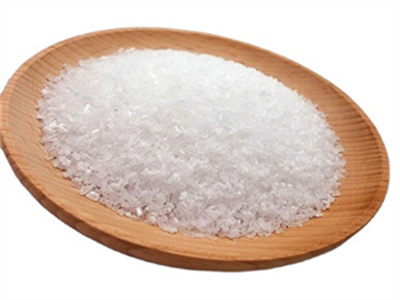
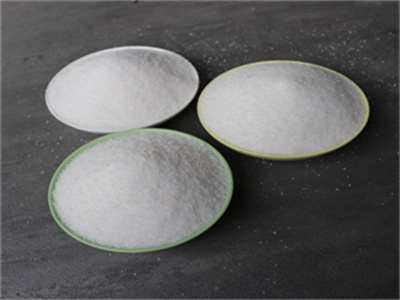
- Classification: chemical auxiliary agent
- Appearance: white fine-sand shaped powder or granule
- CAS No.:9003-05-12839
- Type: cationic
- Formula: (C3h5no)N
- Solid Content: ≥91%
- Application:industrial wastewater treatment industry
- Transport Package: 25kg woven bag with pe inner
- Delivery: prompt shipment
polyacrylamide pam flocculant for water treatment cost
pam polymer is a kind of multifunctional oilfield chemical treatment agent. it is widely used in the process of drilling, cementing, completion, workover, fracturing, acidification, water injection, water plugging and profile control, and tertiary oil recovery operations in oil production.
blufloc anionic polyacrylamide export to saudi arabia,blufloc anionic polyacrylamide export to saudi arabia description: blufloc aa5314 is high molecular weight anionic polyacrylamide flocculant, it is used in different mining applications. the main characteristics of the copolymers are: molecular weight: 13 to 15 million, viscosity at 5 g/l: >800 cps. they relate to water treatment and mining
polyacrylamide exxonmobil product solutions
producers of polyacrylamide flocculants have been relying on exxsol d80, d95, d100 and d110 fluids for years to formulate their water treatment products. these exxsol dearomatized fluids provide high chemical and oxidative stability and inertness to enable predictable performance during the reverse polymerization process.
fabrication of new cationic polyacrylamide flocculant used,along with the population explosion and the economic development, water treatment technology has recently received increasing attention. herein, we introduce a facile visible-light-initiated polymerization method for the fabrication of cationic polyacrylamide flocculants with high molecular weight. the different experimental parameters affecting the polyacrylamide flocculant of polymer were investigated water treatment
cationic polyacrylamide copolymers with excellent quality
background cationic polyacrylamide copolymers are used for sludge dewatering in municipal waste water treatment and might enter the environment by spreading of the sludge on agricultural land. concern has been expressed since little is known about the degradation of pams in soils. to obtain detailed information on the polymer’s fate in the soil compartment, the degradation of 14c
flocculant for water treatment,where p f (us$/ton salt) is the price of the flocculant (anhydrous basis). the relevant costs are shown in table 3, based on the experimental data in table 2 and the flocculant prices noted above. the cost of a flocculant depended on the dosage and varied between us $5.19 and $221.58 per metric ton of dry algal biomass (table 3). which
polyacrylamide 9003-05-8 chemical supplier
polyacrylamide has effects of flocculation, thickening, drag reduction, adhesive, colloidal stabilizing, filming and preventing scale. it is widely used in papermaking, mining, coal washing, metallurgy, oil exploitation and other industrial sectors and is also a important chemical for water treatment. figure 1 the synthetic route of polyacrylamide.
optimizing the flocculation effect of cationic polyacrylamide.cationic polyacrylamide (cpam) is a commonly used flocculant for water treatment. factors that affect the flocculation effect and can be controlled manually include the type and dosage of cpam, wastewater ph, stirring time and settling time, and their reasonable setting is critical to the flocculation effect of cpam. in this paper, the optimal flocculation conditions of a novel cpam were
polyacrylamide water treatment, soil stabilization
polyacrylamide, an acrylic resin that has the unique polyacrylamide flocculant of being soluble in water. it is employed in the treatment of industrial and municipal wastewater. polyacrylamide are produced by the polymerization of acrylamide (c3h5no), a compound obtained by the hydration of acrylonitrile.
polyacrylamide pam industrial chemical raw materials,polyacrylamide is a kind of water soluble polymer,high molecular weight polyacrylamide (pam) is commonly used as a flocculant in water and wastewater treatment, as a soil conditioner, and as a viscosity modifier and friction.
best practices guidance for the use of anionic polyacrylamide
anionic pam use in ontario polymer products evaluated anionic pam based products manufactured by applied polymer systems (aps) primary product used was the floc log, a semi-solid block composed of drinking water chemicals and pam in the ditch application an anionic pam-based powder, sold by aps as silt stop, was also used.
research progress of natural polymer coagulants in water,these groups form the nucleus of coagulation-inducing natural polymer coagulants. currently, research on chemically altering the active groups of natural polymers to create coagulants is quite adequate, and the research findings have excellent outcomes for actual water treatment applications (lee et al. 2014 ).
evaluation of anionic and cationic pulp-based flocculants
the industrial colored effluent was treated with two cationic and two anionic polyelectrolytes obtained from eucalyptus bleached fibers, and with two cationic and two anionic polyelectrolytes obtained from a pulp with high lignin content (kappa number of 26.7). the size and structure of the flocs produced were monitored and analyzed, and the
transfer and degradation of polyacrylamide-based flocculants,the aim of this review was to summarize information and scientific data from the literature dedicated to the fate of polyacrylamide (pam)-based flocculants in hydrosystems. flocculants, usually composed of pams, are widely used in several industrial fields, particularly in minerals extraction, to enhance solid/liquid separation in water containing suspended matter. these polymers can contain
polyelectrolyte supplier industrial chemical raw materials polyacrylamide
polyelectrolyte. chemical structures of two synthetic polyelectrolytes, as examples. to the left is poly (sodium styrene sulfonate) (pss), and to the right is polyacrylic acid (paa). both are negatively charged polyelectrolytes when dissociated. pss is a ‘strong’ polyelectrolyte (fully charged in solution), whereas paa is ‘weak’ (partially
polyacrylamide chemical flocculant,polyacrylamide. (c3h5no)n. cas 9003-05-8. browse polyacrylamide and related products at milliporesigma.
cas 9003-05-8,chemical polyacrylamide lookchem
lookchem provide cas no.9003-05-8 basic information: properties,safety data,sds and other datebase. we also provide trading suppliers manufacture for 9003-05-8 polyacrylamide.