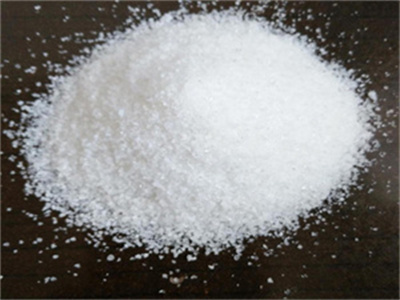
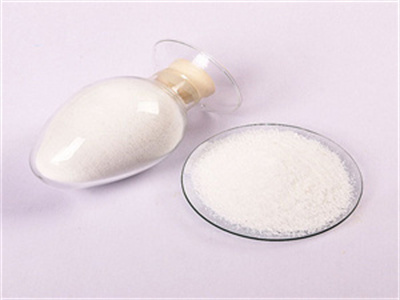
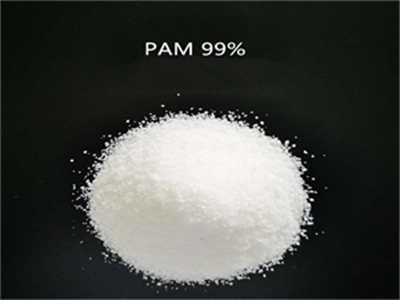
- Classification: chemical auxiliary agent
- Appearance: white granule powder
- CAS No.:9003-05-8185
- Type: nonionic
- Formula: (C3h5no)N
- Solid Content: ≥89%
- Application:beneficiation industries
- Transport Package: 25kg pe bag
- Delivery: 3-5day
biodegradation of polyacrylamide and its derivatives manufacturer
some fungi and yeasts could degrade 60–80% of acrylamide. the biodegradation of pam and its derivatives are initiated by the enzyme amidase, either under aerobic or anaerobic conditions, and are further degraded partially or completely by an array of different enzymes.
improvement of alum and pacl coagulation by polyacrylamide,the efficiency of alum and polyaluminum chloride (pacl) when used alone and in coupled with cationic polyacrylamide (cpam) and anionic polyacrylamide (apam) on the treatment of pulp and.
polyacrylamide pam flocculants water treatment industrial use
this review examines the chemical, mechanical, thermal, photolytic, and biological degradation of pam under a broad range of environmental conditions. we then consider available options for
polyacrylamide exports from world export data with price,create profitable strategy to export polyacrylamide with top polyacrylamide exporting importing countries, top polyacrylamide importers amp exporters based on 35,464 export shipment records till jul 24 with ph, email amp polyacrylamide.
ethiopia polyacrylamide market price flocculant powder
ethiopia polyacrylamide market price share, value, outlook, trends, forecast, analysis, industry, segmentation, growth, revenue, size amp companies
plant in ethiopia supply of water treatment pam anionic,polyacrylamide (pam) powder for water treatment.cas no: 9003-05-8. hs code: . mf: (c3h5no)n. ionic type: anionic, cationic, nonionic. appearance: white powder. solid content , (%): ≥90. description: polyacrylamide (pam) is a linear organic polymer, and it is the most widely used flocculant in water treatment chemicals.
wastewater treatment polyacrylamide powder cationic
however, bio‐based and biodegradable plastics often lack the economic push for commercialization (high trls) given the low price of petroleum feedstocks and long‐established industrial processes. the public uproar over microplastics has pushed policymakers to start acting on the matter.
factory supply malawi direct selling pam polyacrylamide cation.non agricultural uses of pam include waste and potable water treatment, processing and washing of fruits and vegetables, clarification of juices, manufacturing of cosmetics, and paper production.,pam polyacrylamide yirui chem polyacrylamide short for pam cas no.: 9003-05-8 molecular formula: molecular formula: conh2n mesh size: 20-80mesh
ethiopia biodegradable plastics market price cost
key highlights of the report: ethiopia biodegradable plastics market outlook. market size of ethiopia biodegradable plastics market, 2023. forecast of ethiopia biodegradable plastics market, 2030. historical data and forecast of ethiopia biodegradable plastics revenues amp volume for the period 2020-2030.
local rates amp tariffs one indonesia one-line.com,local rates amp tariffs. one indonesia surcharge list. for more information, please click on this link. export / import d&d tariff.
treatment of pulp and paper mill wastewater with various
flocculation studies between dual polymers on pulp and paper mill wastewater are reported in this paper. the effects of different molecular weights of polydadmac and different dosages of polyacrylamide (pam) were studied.
anionic polyelectrolytes raybon web,anionic polyelectrolyte are used for giving large of inorganic sludges / slurries, like lime and gypsum, from sewage and industrial effluents with exceptional floc formation, superior cleaning performance, quick settling, improved filter clarity, high filtration capacity.
ethiopia buy best price cationic sodium polyacrylamide pam
acrylamide copolymers with cationic or anionic monomers exhibit good thickening, acid resistance, high-temperature stability, … zhang et al., synthesized the polymer thickening agent dxgy-1, which is a cationic polyacrylamide.
chemicals raw materials anionic polyacrylamide pam sewage,high quality chemicals raw materials anionic polyacrylamide pam sewage treatment 9003-05-8 from china, china’s leading chemicals polyacrylamide pam product, with strict quality control 9003-05-8 polyacrylamide pam powder factories, producing high quality sewage treatment polyacrylamide pam products.
anionic polyacrylamide dry powder (pam) cas no. 9003-05-8
anionic polyacrylamide dry powder (pam) cas no. 9003-05-8. polyacrylamide (can be abbreviated as pam or paam), chemical formula- [ch2ch] nconh2-, is a polymer made from acrylamide monomer.polyacrylamide classification: non-ionic (npam), cationic (cpam), anionic (apam). send inquiry.
good quality cation polyacrylamide pam south africa,classification: chemical auxiliary agent: appearance: white granule/power: molecular weight: 6-15million: cas no. 9003-05-8: package: one 20’fcl load in 18-20mt for usual
stock up with wholesale polyacrylamide polymer online
if you are looking to order wholesale polyacrylamide polymer or any other type of polymer online, then you’ve come to the right place. browse through our company’s range of polymers today and find polyacrylamide polymer to order directly from china-based vendors. stock up on essential supplies for industrial or agricultural use, or for the
- What is polyacrylamide (PAM)?
- Description: Polyacrylamide (PAM) is a linear organic polymer, and it is the most widely used flocculant in water treatment chemicals. It can enhance flocculation, reduce the cost of clean water, improve water quality, and remove organic matter and algae in the water.
- Can polyacrylamide powder improve water quality?
- In drinking water treatment and industrial wastewater treatment, the use of polyacrylamide powder and other inorganic flocculants can significantly improve water quality. Improve floc strength and settling velocity. The flocs formed by polyacrylamide flocculant have high strength and good settling performance.
- Why is the polyacrylamide (PAM) market declining?
- North America The Polyacrylamide (PAM) market in North America during the fourth quarter of 2023 witnessed a declining trend, primarily due to reduced demand in key downstream industries such as industrial water treatment and the Oil Gas Enhanced Oil Recovery (EOR) sector.
- Why did polyacrylamide (PAM) prices increase in Q4?
- Prices of Polyacrylamide (PAM) increased effectively during this quarter across North America region, supported by firm offtakes from the downstream sectors. The demand for Polyacrylamide remained firm throughout the quarter, taking support of firm offtakes from paper pulp and water treatment sector.