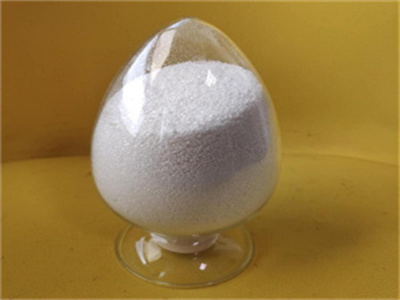
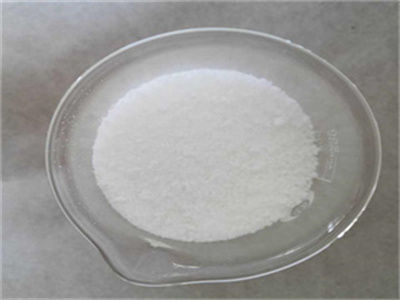
- Classification: chemical auxiliary agent
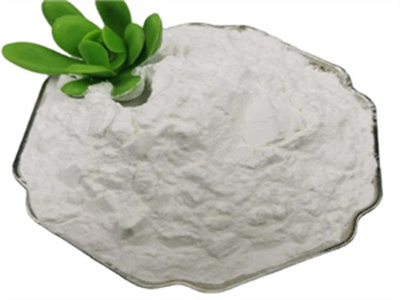
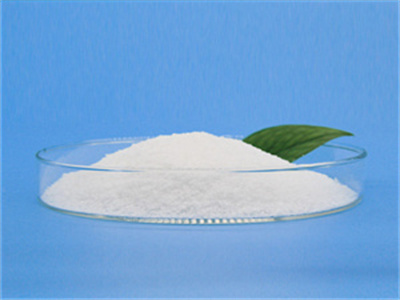
- Appearance: white/light yellow granule or powder
- CAS No.:9003-05-7321
- Type: nonionic
- Formula: (C3h5no)N
- Solid Content: ≥89%
- Application:oil extraction, coal washing industries
- Transport Package: one 20’fcl load in 15-18mt palletized
- Delivery: 15day
polyacrylamide pam flocculants water treatment industrial use
polyacrylamide (pam) is commonly used as a flocculant in water and wastewater treatment, as a soil conditioner, and as a viscosity modifier and friction.dissolved into 0.3% concentration and cross-linking agent added. it can be sprayed on desert to prevent and solidify sand.
in-depth industry outlook: polyacrylamide market size amp forecast,polyacrylamide market size and forecast. polyacrylamide market size was valued at usd 6.26 billion in 2024 and is projected to reach usd 9.88 billion by 2031, growing at a cagr of 6.49% from 2024 to 2031. polyacrylamide (pam) is a long-chain synthetic polymer, essentially a fancy way of describing a molecule formed by linking numerous identical
high molecular weight cationic polyacrylamide 55% mole
message. tarran road, tarran industrial estate, moreton, merseyside, ch46 4tu, united kingdom. high molecular weight cationic polyacrylamide with a mole charge of 55%. accepta 4223 is a very versatile dry polymer that is particularly useful for wastewater treatment applications including belt filter, centrifuge and screw press de-watering
continuous low dosing of cationic polyacrylamide (pam) price,a conical water tank (total volume: 1.3 m 3) was used to make up and store as few day supply of cationic polyacrylamide (pam, crystalfloc b 490 h: 90% active ingredient cationic polyacrylamide, ixom ltd) (figure 2). a submersible mixer (0.7 kw amd 4 pole direct drive mixer) with a variable speed drive was installed onto a metal frame over the
cationic polyacrylamide copolymers pam water treatment chemicals
background cationic polyacrylamide copolymers (pam) are used for sludge dewatering in municipal waste water treatment and might enter the environment by spreading of the sludge on agricultural land. concern has been expressed since little is known about the degradation of pams in soils. to obtain detailed information on the polymer’s fate in the soil compartment, the degradation of 14c
indonesia factory supply polyacrylamide pam industrial grade,acrylamide is a colorless, odorless, crystalline amide that polymerizes rapidly and can form as a byproduct during the heating of starch-rich foods to high temperatures.polyacrylamide is used in the production of polymers mainly in the water treatment industry, chemical flocculant polyacrylamide industry and textile treatment industry and is used as a laboratory reage
polyacrylamide (pam) prices high purity water treatment agent
north america. the prices of polyacrylamide declined in the usa market during the third quarter of 2022, with cost ranging at usd 2252/tonne polyacrylamide anionic grade fob texas with a quarterly decline of 11.1% as per recorded by chemanalyst pricing team data.
coagulation and flocculation in water treatment explained.the main purpose of coagulation and flocculation is to treat turbid (hazy or cloudy) water, thus improving water quality. this is especially key for wastewater treatment, and can reduce organic loads and suspended solids by up to 90%. suspended solids are commonly found in the majority of surface water supplies and all wastewater supplies.
preparation of cationic polyacrylamide suspension and its
the organic polymer flocculant cationic polyacrylamide (cpam) has the characteristics of a low additive amount, good turbidity removal and water purification effect, and high cod removal efficiency, and it has become the most commonly used polymer flocculant in the oilfield wastewater treatment process [11,12,13,14,15].
anionic polyacrylamide ( pam) guidechem chemical network,polyacrylamide is a linear water-soluble polymer with high molecular weight. it is mainly used for: solid-liquid separation in mineral separation, metallurgy, chemical and food industries, etc.; the sewage treatment of iron and steel, textile, paper-making, chemical and pharmaceutical industries, etc.; the drilling in oil industry and enhancing in oil recovery; as retention reagent and filter
cationic polyacrylamide copolymers pam water treatment chemicals
background cationic polyacrylamide copolymers (pam) are used for sludge dewatering in municipal waste water treatment and might enter the environment by spreading of the sludge on agricultural land. concern has been expressed since little is known about the degradation of pams in soils. to obtain detailed information on the polymer’s fate in the soil compartment, the degradation of 14c
nigeria best selling polyacrylamide pam with factory price,price : get quote. packing : 10 kg brown Chemicals Polyacrylamide; anionic polyacrylamide pam suppliers, importer traders from india based. we have the best quality of anionic polyacrylamide pam, with very competitive price. our anionic polyacrylamide pam is made with very high quality raw materials using all quality standards of the anionic p more.
indonesia factory directly pam polymer with factory price
anionic polyacrylamide has a big range of high molecular weight from 05-25 million, with an anionic charge density ranging from 10-60%. it has medium molecular weight, and medium charge degree. it is most often used to increase the viscosity of water (creating a thicker solution) or to encourage flocculation of particles present in water.
subject polyacrylamide gel electrophoresis puba in zambia,polyacrylamide. polyacrylamide (pam) are relatively inexpensive polymers that are easily formulated to high molecular weights on the order of several million g/mol. pam was first used in the paper industry in the mid-1950s.,chemical polyacrylamide 9003-05-8 9003-05-8: 1g: $211: 2023-06-20: buy: sigma-aldrich: : poly(n-isopropylacrylamide), maleimide terminated average m: 9003-05-8: 5g: $702
a survey on cationic polyelectrolytes and their applications
cationic polyelectrolytes are water-soluble polymers bearing positive ionic groups along the backbone or in side chains. these cationic polymers are synthesized by free radical polymerization of acrylamide and their derivatives by the copolymerization method, which includes solution, precipitation, and emulsion techniques. the mannich reaction is another important method by which the cationic
polyacrylamide factory,phpa,anionic polyacrylamide,welldone is a worldwide competitor and manufacturer of polyacrylamide (phpa),sodium polyacrylate,poly anionic cellulose for drilling fluid,drilling mud,fluid loss control,ero,bored piling,friction reducer,fracturing thicker…,and of. polyacrylamide (pam),poly aluminium chloride for industrial wastewater treatment,municipal wastewater treatment
industrial water treatment chemical materials cationic
cationic polyacrylamide pam / cation pam for industrialcationic polyacrylamide pam . description. yixing cleanwater chemicals co.,ltd is a factory of providing high quality cpam .this product is a water-soluble high polymer.it’s not soluble in most organic solvents, with good flocculating activity, and can reduce the friction resistance between liquid.china cationic polyacrylamide
- What is polyacrylamide used for?
- Polyacrylamide and its co-polymers are used as flocculants or coagulants in industrial wastewater treatment .Homo-polymer is used in this application and can be either nonionic, cationic or anionic depending on the types of wastewater needs to be treated. Also polyacrylamide can be prepared either as linear or as cross-linked.
- How is partially hydrolyzed polyacrylamide wastewater treated?
- Combined Fenton oxidation and anaerobic biological process for treatment of partially hydrolyzed polyacrylamide wastewater.
- Does biological filtration improve polyacrylamide biodegradation?
- Freedman, D. E. et al. Biologically active filtration for fracturing flowback and produced water treatment. J. Water Process Eng. 18, 29–40 (2017). Dai, X. et al. Waste-activated sludge fermentation for polyacrylamide biodegradation improved by anaerobic hydrolysis and key microorganisms involved in biological polyacrylamide removal.
- Does waste-activated sludge fermentation improve polyacrylamide biodegradation?
- J. Water Process Eng. 18, 29–40 (2017). Dai, X. et al. Waste-activated sludge fermentation for polyacrylamide biodegradation improved by anaerobic hydrolysis and key microorganisms involved in biological polyacrylamide removal. Sci. Rep. 5, 11675 (2015).