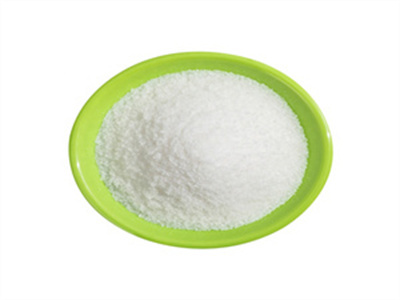
- Classification: chemical auxiliary agent
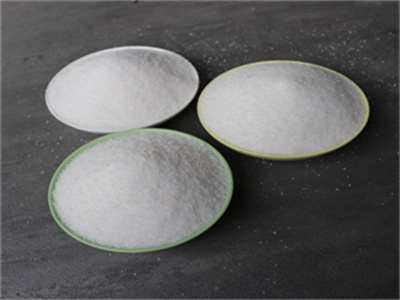
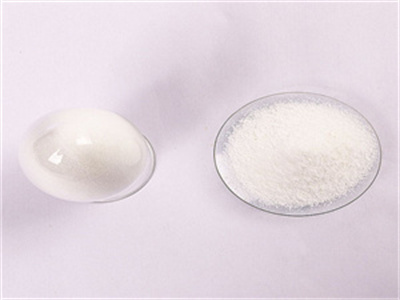
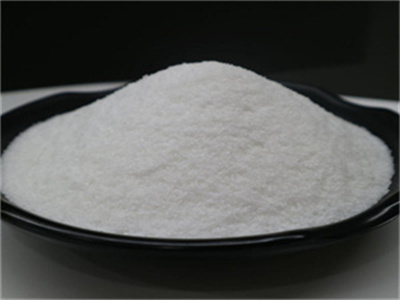
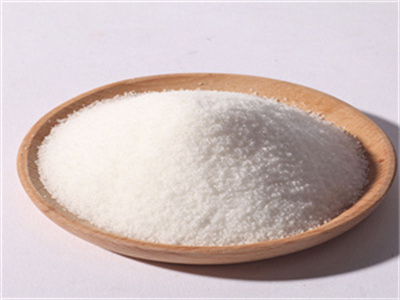
- Appearance: off-white granular powder
- CAS No.:9003-05-9840
- Type: anionic
- Formula: (C3h5no)N
- Solid Content: 88.5% Min
- Application:sewage water treatment industry
- Transport Package: one 20’fcl load in 18-20mt for usual
- Delivery: 3-5day
polymer flocculant pam fundamentals of flocculation polyacrylamide
emulsion flocculants 0.20 1.00% product inject all-at-once into rapidly-stirred water vortex continue to mix 15 min. powder flocculants 0.10 0.50% product pour slowly into rapidly-stirred water vortex continue to mix until the solution is homogeneous allow 15 min. for polymer to “relax” shelf-life anionic makedowns: stable for 1 week
phpa powder, partially hydrolysed polyacrylamide,acuro’s phpa powder is a synthetic co-polymer of anionic nature and high molecular weight, which is used in drilling of mud systems ranging from low solids to weighted muds. the cost-effective completion of oil-drilling projects is largely dependent on the quality of its fluid systems. acuro’s phpa powder offers stability to the borehole by
water soluble polymer flocculants synthesis
flocculants with less than 1% charged functional groups are considered as nonionic flocculants. 34 nonionic flocculants normally have high molecular weights, which helps them flocculate suspended particles through the bridging mechanism. 35 polyacrylamide is the most important water soluble nonionic flocculant because its monomer, acrylamide
factory price polyelectrolyte,all the grades of our anionic flocculant should be dissolved in fresh water under low agitation to make 0.01% to 0.05% solution. complete dissolution takes about 60 to 90 minutes, but will be faster in warm water. however avoid temperature above 500° c. stock solution is stable for at least 3 to 4 days.
anionic polyelectrolyte high quality chemical pam flocculant
anionic polyelectrolyte helps in rapid coagulation of solids and formation of flocs, in wastewater treatment, improving filtration process. it is a frequently used flocculant in treatment of various industrial wastewaters, including those from electroplating factory, metallurgic plant, steelwork and coal plant.
water treatment chemicals manufacturers, suppliers for free sample,altair chimica has been the first european koh producer to fully convert to mercury-free membrane cell technology (2005-2008). the new plant allowed over time to cut electricity consumption by 30% and water consumption from the river by 40%: since
evaluation of anionic and cationic pulp-based flocculants
the addition of flocculant, either cationic or anionic (4.0 mg/l), increased drastically the median size of the particles at the end of the process, monitored over 20 min. adding cdac p a, increased the median particle size to a value of 94 μm, while adding adac p a increased the median particle size to a value of 193 μm.
anionic polyacrylamide properties cost in nigeria.comparative study on enhancing oil recovery under high. the synthetic water-soluble polymer, partially hydrolyzed polyacrylamide (hpam), has been most widely used for enhanced oil recovery (eor); however, its poor thermal stability and weak salt tolerance impede further application in high-temperature and high-salinity oil reservoirs.
types of polyelectrolytes used as flocculation agents
cationic, anionic, and nonionic polyelectrolyte are available for use as flocculants, and all three are extensively used in wastewater treatment [2,9, [19] [20][21].
water treatment chemicals amp suppliers polyacrylamide polymer,us. polyacrylamide polymer covers all industrial sectors that require deposit-fouling-corrosion control relating to adverse water quality and aggressive vapours. in addition, the polyacrylamide polymer treatment programme includes solid/liquid separation. to ensure reliable dosing of inhibitors and chemical reagents, polyacrylamide polymer provides and maintains custom-built dosing systems.
partially hydrolysed poly acrylamide phpa filtron envirotech
phpa (partially hydrolyzed polyacrylamide polymer) is a specially treated high molecular weight partially hydrolyzed polyacrylamide polymer for all water-base drilling fluids. it functions as viscosifying agent, shale and bore-hole stabilizer, encapsulator, bentonite extender, flocculation agent and assist with fluid loss control.
wholesale trader of sodium hydroxide polyacrylamide,characteristics and applications of polyacrylamide cpolymer. polyacrylamide (pam) is a linear polymer with the chemical formula (c3h5no)n. polyacrylamide has a wide range of applications in industries such as petroleum exploration, water treatment, textiles, papermaking, mineral processing, medicine, and agricultur.,poly aluminum chloride water treatment 23 comments.
ghana plant made anionic polyacrylamide cationic dry powder
polyacrylamide degradation and its implications in environmental the hydrolyzed form of polyacrylamide (hpam), a co-polymer of acrylamide and acrylic acid, is the most widely used anionic pam in oil and gas development as well as in soil conditioning. ghana plant manufactured cationic anionic polyacrylamide dry powder pam polyacrylamide (pam) powder for water treatment. pam […]
papermaking wastewater treatment chemical additives,cationic polyacrylamide (pam,flocculant)for papermakingwater treatment chemicals / cationic polyacrylamide (pam,flocculant)for papermaking wastewater treatment cationic polyacrylamide (pam,flocculant)for papermaking wastewater treatment: as a new products, polyacrylamide for paper making waste water is specially developed according to the characteristic of waste water in paper making industry
industrial pam anionic polyacrylamide in zambia with factory price
the basic point is this: making flocculant polyacrylamide pam is a process that is at once easy and incredibly challenging. though it can be immensely rewarding to order flocculant polyacrylamide pam making supplies and concoct your own stick flocculant polyacrylamide pam, it can also be very easy to find yourself overwhelmed by the sheer number of fragrances to choose from.
pam polyacrylamide and its application in water treatment,the polyacrylamide (pam) has a very important role in the field of water treatment.
polyacrylamide in agriculture and environmental land management
high effectiveness and low cost of pam for erosion control and infiltration management, coupled with easier implementation than traditional conservation measures, has resulted in rapid adoption. about 800,000 ha of us irrigated land use pam for erosion and/or infiltra-tion management. in recent years, pam has been deployed for uses beyond