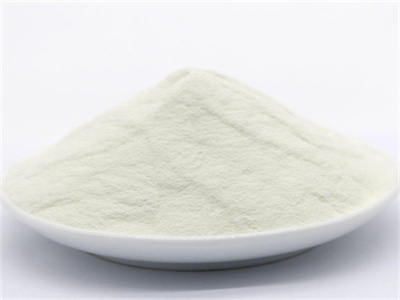
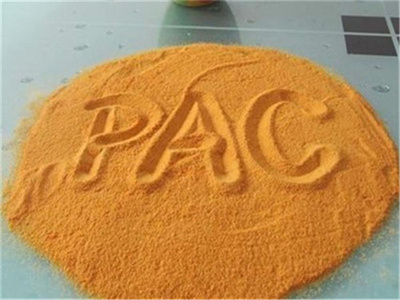
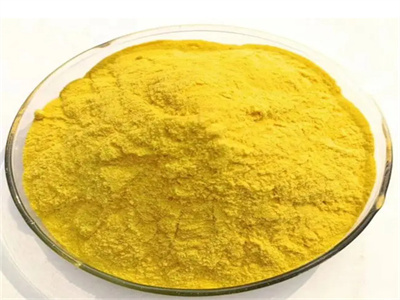
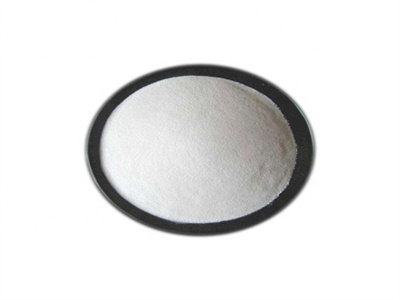
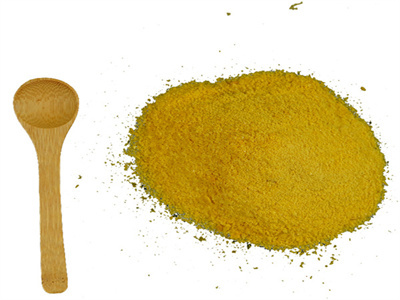
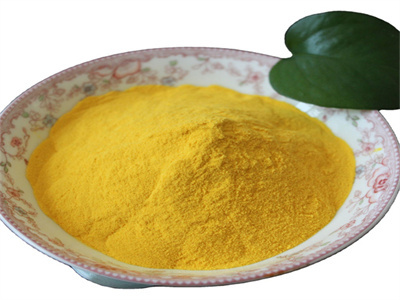
- Product Name: polyaluminium chloride
- Basicity: 30-95%
- CAS No.:1327-41-9
- Appearance: light yellow powder
- Purity: 28%-30%
- Formula: Al2Cln(OH)6-n
- Origin: Henan China
- Package: 25kg/bag,kraft paper bag or as requested
- Usage: paper making, metallurgy wastewater treatment
product information clearpac poly aluminium chloride
clearpac 180 is a high alumina (al2o3) content polyhydroxyl aluminum chloride (pac) coagulant designed to provide improved water quality in a variety of applications. clearpac 181 and clearpac 182 offer the benefits of clearpac 180 blended with an organic polyelectrolyte to improve the removal of natural organic material including colour.
pac powder: the versatile solution for water treatment,pac powder has revolutionized the water treatment industry, offering a superior alternative to traditional coagulants. with its exceptional coagulation and settling efficiency, minimal sludge generation, and excellent organic matter and color removal capabilities, poly aluminium chloride addresses a wide range of water treatment challenges
poly-aluminium chloride (pac) for paper industry
description. accepta pac is a high performance; superior quality poly-aluminium chloride (pac) based coagulant, scientifically formulated for use in a wide range of commercial, municipal, manufacturing and industrial process applications including the treatment of wastewater and industrial effluent.
poly aluminum chloride (pac): revolutionizing water treatment,poly aluminum chloride (pac) has emerged as a highly efficient and versatile coagulant in the field of water treatment. its unique properties, including high charge density, stability, and wide ph range, make it an ideal choice for various water treatment applications. pac’s ability to remove suspended solids, colloidal particles, and organic
what is poly aluminum chloride (pac) and its role in water
poly aluminum chloride (pac) plays a significant role in water treatment by effectively removing impurities, clarifying water, and improving its overall quality. its high coagulation efficiency, broad applicability, and low dosage requirements make it a valuable asset in the pursuit of clean and safe water .
poly aluminum chloride (pac) unveiled: transforming water,explore the transformative impact of poly aluminum chloride (pac) in revolutionizing water treatment processes. discover its multifaceted benefits, from efficient coagulation to reduced sludge generation and compliance with water quality standards. dive into the world of pac and understand how it is reshaping the landscape of sustainable and effective water purification.
poly aluminium chloride in water treatment: a clear solution
poly aluminium chloride is now a staple coagulant in water and wastewater treatment across the globe, including in the united kingdom, the united states, france, canada, china, and italy. a key feature of poly aluminium chloride is its ability to stably neutralize colloidal particles, setting the stage for efficient coagulation and flocculation.
optimization of polyaluminum chloride-chitosan flocculant for sale,2.1. biogas slurry. the biogas slurry used in the experiment came from a pig farm located in ezhou, hubei province, china. it was taken from the middle layer of the slurry after fermentation for a period of time.
modeling and optimization of the coagulation/flocculation
some of the contaminants in the water and wastewater are available in the form of colloidal particles, which can cause discoloration and turbidity (kumar et al., 2016).in addition to esthetic problems, turbidity can protect microorganisms in water, so it plays an important role in the pollution of aquatic environments (usefi amp asadi-ghalhari, 2019).
recent advances and perspectives in efforts to reduce the,among them, inorganic flocculants are mainly represented by aluminum sulfate, poly-aluminum chloride, ferric chloride, and ferrous sulfate (okaiyeto et al. 2016; salehizadeh and yan 2014). however, ferric salt is corrosive, and the accumulation of aluminum salt in human body is directly related to alzheimer’s disease (campbell 2002 ).
pac (polyaluminum chloride solution) water treatment
Water treatment polyaluminium chloride (PAC) is available under the trade name PAC. These coagulants have become the product of choice for more than 1,000 water treatment applications across the United States (sold directly or through distributors). The company has been producing chemicals for more than 60 years and began full-scale production of a patented process
poly aluminium chloride (pac) powder chemicals manufacturer,as an efficient water purifier, poly aluminium chloride (pac) can sterilize, deodorize, decolorize, etc. due to its outstanding characteristics and advantages and wide application range, the dosage can be reduced by more than 30% compared with traditional water purifiers, and the cost can be saved by more than 40%.
poly aluminum chloride manufacturing plant
poly aluminum chloride is used mainly to remove color and colloidal matter in aqueous systems. it is also used in water treatment plants, clarification of industrial effluents and as a replacement for aluminum sulfate, aluminum chloride, ferric chloride, ferric sulfate and other non-polymerized conventional inorganic salts.
china polyaluminium chloride ( pac) cas no. 1327-41-9,as one of the most professional polyaluminium chloride ( pac) br cas no. 1327-41-9 manufacturers and suppliers in china, we are featured by quality products and competitive price. please rest assured to wholesale bulk polyaluminium chloride ( pac) br cas no. 1327-41-9 from our factory.
flocculant an overview sciencedirect topics
flocculants are divided into three categories: (i) mineral supplements such as pac, synthetic organic polymers, and (iii) flocculants found in nature (renault et al., 2009). interestingly, recovered lignin from pulp wastewater can be used as a flocculating agent and fuel.
polyaluminium chloride for paper industry,poly aluminium chloride (pac) is a new type high efficiency inorganic polymer coagulant, adopting advanced manufacturing technique and quality raw material, show the features of low impurity, high molecula weight, and superior coagulating effect. products types: 1. poly aluminium chloride 30% pac s
poly aluminium chloride liq for sewage treatment
category: boiler chemicals-42. generic name: pac liquid. flocculation in municipal water supply, sewage and industrial effluent and for paper manufacture. product description: poly aluminium chloride pac powder and liquid manufacturers, suppliers, importer traders from india, middle east, gulf, oman based.
2023 polyaluminium chloride pac for sale kenya for highly efficient,production name: poly aluminium chloride for water treatment: appearance: yellow granule or powder: cas no.: 1327-41-9: type: pac 26% / 28% / 30% / 35%: grade
poly-aluminium chloride (pac) for paper industry
high quality poly-aluminium chloride (pac) is a highly efficient coagulant with low generation of waste sludge in a wide ph range, even at low temperatures. accepta pac is used for several applications including the treatment of drinking water, swimming pool water, wastewater treatment, the treatment of sewage and industrial effluents.
uganda 30% polyaluminium chloride pac price for highly efficient,pac, pac 30%, pac price manufacturer / supplier in china, offering 1327-41-9 polyaluminium chloride pac polymeric aluminium, factory cmc carboxyl methyl cellulose for food additive, food grade shmp sodium hexametaphosphate 68% and so on.
- What are flocculants?
- Flocculants are agents that make fine and subfine solids or colloids suspended in the solution form large loose flocs through bridging, thus achieving solid-liquid separation. Our products consist of: 1. Anifloc Series
- What is Pac water treatment?
- PAC is known for its high efficiency in treating water and has become a popular choice for water treatment facilities around the world. One of the key benefits of using PAC is its ability to effectively remove suspended solids, organic matter, and other contaminants from water.
- What is the turbidity of a PAC flocculated water?
- The average PAC dose, since its introduction in December 2016, was 33.2 mg/l, with minimum and maximum dosages of 14.1 and 43.8 mg/l. Since PAC's introduction, the turbidity of the flocculated water has remained fairly stable, within the range 3.5 to 6.1 NTU. When alum was in use, the range was 2.0 to 6.4 NTU ( Figure 4 ).
- Is cationic Pam effective in flocculation?
- The success of anionic and cationic PAM in flocculation can be related to particle charges that allow for particle flocculation with polymers. Non-ionic PAM was shown to be ineffective at flocculating tailing particles. The ionicity of the polymer appears to be highly relevant here, based on the results.