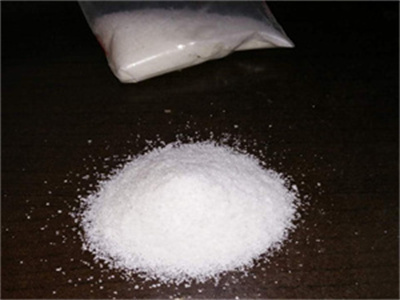
- Classification: chemical auxiliary agent
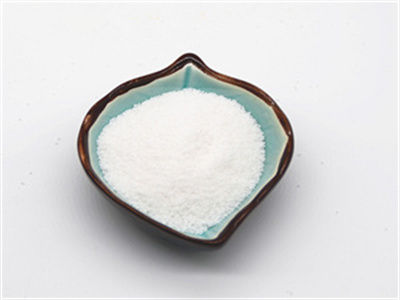
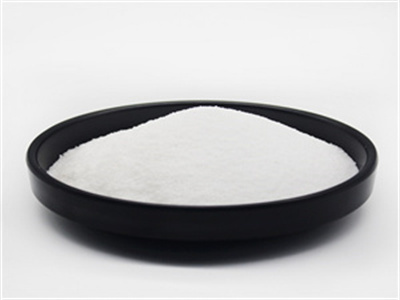
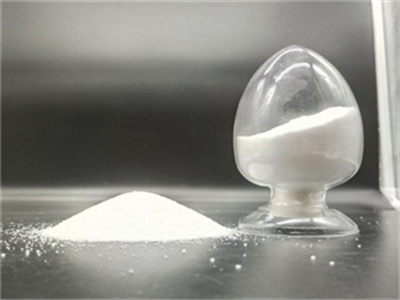
- Appearance: white granule powder
- CAS No.:9003-05-25
- Type: cationic,nonionic
- Formula: (C3h5no)N
- Solid Content: >= 90%
- Application:beneficiation industries
- Transport Package: 900-1000kg packed in one pallet
- Delivery: 3-5day
cationic polyacrylamide copolymers (pam): environmental half
background cationic polyacrylamide copolymers (pam) are used for sludge dewatering in municipal waste water treatment and might enter the environment by spreading of the sludge on agricultural land. concern has been expressed since little is known about the degradation of pam in soils. to obtain detailed information on the polymer’s fate in the soil compartment, the degradation of 14c
PAM polyacrylamide for wastewater treatment researchgate,abstract. polyacrylamide and its co-polymers are used as flocculants or coagulants in industrial wastewater treatment .homo-polymer is used in this application and can be either nonionic, cationic
degradation of polyacrylamide and its significance in nature
high quality flocculant polyacrylamide (pam) is commonly used as a flocculant in water and wastewater treatment, a soil conditioner, and a viscosity improver and friction enhancer.
optimization conditions to obtain cationic polyacrylamide,the synthesis of cationic polyacrylamide (cpam) with the desired cationic degree and molecular weight is essential for various industries, including wastewater treatment, mining, paper, cosmetic chemistry, and others. previous studies have already demonstrated methods to optimize synthesis conditions to obtain high-molecular-weight cpam emulsions and the effects of cationic degrees on
preparation of cationic polyacrylamide suspension and its
cationic polyacrylamide (cpam) solid particle is one of the most commonly used organic polymer flocculants in oilfield wastewater treatment, but it poses some problems, such as a slow dissolution rate and an easy formation into a “fish-eye” in the process of diluting into aqueous solution. however, the current liquid cpam products also have some problems, such as low effective content
synthesis of the hydrophobic cationic polyacrylamide (padd,in this study, a new type of hydrophobic cationic polyacrylamide p (am-dmc-dabc) (padd) was synthesized by ultrasonic (us)-initiated polymerization, which is used for the separation and removal of coal mine wastewater. the acrylamide, methacryloyloxyethyl trimethyl ammonium chloride (dmc) and acryloyloxyethyl dimethylbenzyl ammonium chloride (dabc) were used as monomers to prepare). the
recent achievements in polymer bio-based flocculants for sale
the flocculants, designed for coal slime water treatment, were characterized using the ftir, xrd and sem methods. it has been shown that water turbidity was reduced by ~97% and ~94%, while cod removal was ~78 and ~74% in the presence of fe 3 o 4 -chitosan-cellulose and fe 3 o 4 -chitosan-biochar, respectively.
an effective flocculation method to the kaolin wastewater.for pad used as flocculant in kaolin wastewater treatment, the results confirmed that, at optimal conditions, the turbidity and the floc size d 50 could reach to 5.9 ntu and 565.936 μ m
cationic polyacrylamide synthesis and application in sludge
abstract. cationic polyacrylamide (cpam) were used extensively in water treatment, enhanced oil recovery and sludge dewatering. the review summarized the synthesis methods research progress of
synthesis and characterization of a novel cationic manufacturer,in this study, we investigated the method of a new cationic polyacrylamide flocculants. padd was prepared by uv initiation polymerization. the cationic flocculants were characterized by ftir, tg/ dsc, 1 h nmr and sem. therefore, results shows that padd and pam are not only simple physical mixtures, they have bond interaction and mutual
synthesis of water soluble ionic liquid copolymers polyacrylamide
flocculation is an effective and economic method for wastewater treatment. there are many flocculants of treating wastewater, which are used in order to remove organic and inorganic materials 15
cationic polyacrylamide: synthesis and application in sludge,high quality cationic polyacrylamide: synthesis and application in sludge dewatering treatment,cationic polyacrylamide: synthesis and application in sludge dewatering treatment: a review.polyacrylamide is widely used in printing and dyeing, paper industry, mining plant, coal preparation, oil field, metallurgical industry.
optimizing the flocculation effect of cationic polyacrylamide
cationic polyacrylamide (cpam) is a commonly used flocculant for water treatment. factors that affect the flocculation effect and can be controlled manually include the type and dosage of cpam, wastewater ph, stirring time and settling time, and their reasonable setting is critical to the flocculation effect of cpam. in this paper, the optimal flocculation conditions of a novel cpam were
preparation of cationic polyacrylamide suspension and its,solid particle cationic polyacrylamide (cpam) is one of the most commonly used organic polymer flocculants in oilfield wastewater treatment, but there are some problems, such as slow dissolution
best selling cationic polyacrylamide(cpam) in uganda
with more than 15 has been a leading water treatment chemical manufacturer and supplier in china. 9z6jtuodvehw webcationic polyacrylamide flocculant for wastewater treatment buy waste water treatment agent at factory price. cationic polyacrylamide(flocculant)for municipal sewage treatmnet.application (1) cationic polyacrylamide can be
optimization conditions to obtain cationic polyacrylamide,industrial wastewater comprises various components, including suspended solids, dissolved ions, and organic and inorganic particles, among others. wastewater treatment plays an important role in sustainable development and environmental safety. flocculation is an essential industrial process for wastewater treatment . one of the most used
south africa exporter nonionic polyacrylamide pam with high quality
classification: chemical auxiliary agent: appearance: white powder/crystal: molecular weight: 12-16 million: cas no. 9003-05-8: package: 900-1000kg packed in one pallet
what is hot sale cheap price stock good quality petrochemical,what is hot sale cheap price stock good quality petrochemical materials factory price anionic polyacrylamide, pam manufacturers suppliers on video channel of made in china..
- What is polyacrylamide (PAM)?
- Polyacrylamide (PAM) is a synthetic polymer of long-chain acrylamide subunits, high molecular weight (1000 to 20 × 10 6 g/mol), and a wide range degree of hydrolysis (Abidin et al., 2012; Joshi Abed, 2017 ).
- Which polymer is used to produce partially hydrolyzed polyacrylamide (HPAM)?
- PAM is used to produce partially hydrolyzed polyacrylamide (HPAM), which is linear, anionic, water-soluble, stable, polymeric, and high molecular weight chain of acrylamide (C 3 H 5 NO) monomers (Bao et al., 2010; Braun et al., 2022; Liu et al., 2016; Xiong et al., 2018 ).
- Which polymers are used in enhancing oil recovery?
- PAM and HPAM are the most extensively used polymers in enhancing oil recovery due to their customized properties and wide availability.
- Is acrylamide toxic to humans?
- The possible toxicity of HPAM is still ambiguous, but its natural decomposition product, acrylamide, threatens humans’ health and ecological environments. Therefore, the main challenge is the removal or degradation of HPAM in an environmentally safe manner from the produced water before proper disposal.