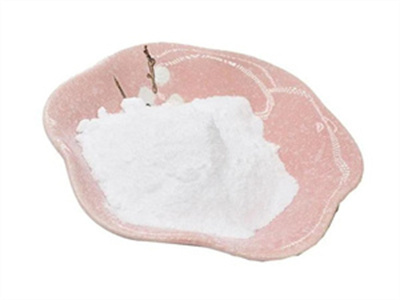
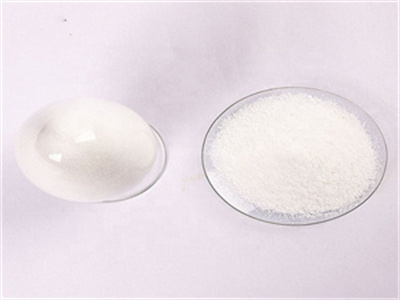
- Classification: chemical auxiliary agent
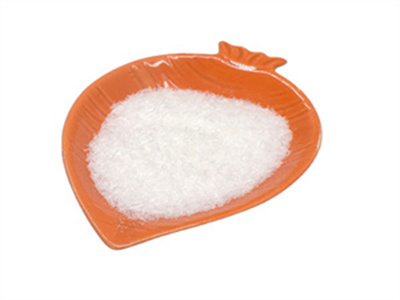
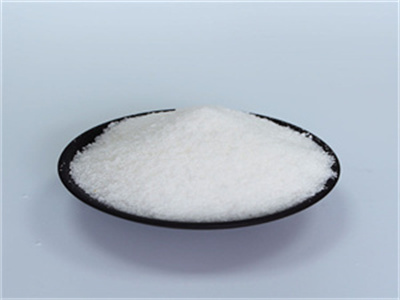
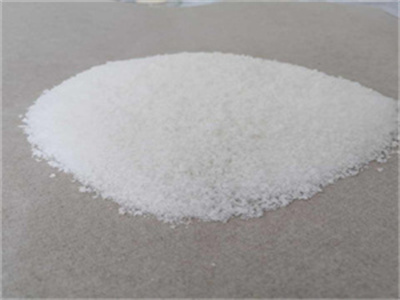
- Appearance: white granule
- CAS No.:9003-05-5144
- Type: cationic
- Formula: (C3h5no)N
- Solid Content: 89% Min
- Application:oil extraction,metallurgy industries
- Transport Package: 25kg kraft bag
- Delivery: prompt shipment
recent achievements in polymer bio-based flocculants for sale
among the synthetic polymer flocculants, the most important is water-soluble polyacrylamide (pam)—a non-ionic, amorphous polymer which can be modified to ionic form in the copolymerization process. the acrylamide monomer can be used for grafting or crosslinking of other type of polymers.
cationic polyacrylamide copolymers (pam): environmental half,background cationic polyacrylamide copolymers (pam) are used for sludge dewatering in municipal waste water treatment and might enter the environment by spreading of the sludge on agricultural land. concern has been expressed since little is known about the degradation of pam in soils. to obtain detailed information on the polymer’s fate in the soil compartment, the degradation of 14c
degradation of polyacrylamide and its significance in nature
the hydrolyzed form of polyacrylamide (hpam), a co-polymer of acrylamide and acrylic acid, is the most widely used anionic pam in oil and gas development as well as in soil conditioning.
contribution of amide-based coagulant polyacrylamide as,coagulation of three waters by the addition of alum salt and pam, as coagulant and coagulant aids respectively, were also investigated. results showed that alumpam coagulation substantially enhanced the removal of both doc and uv 254 compared with the results for alum or pam alone. the total hacam concentration after alumpam coagulation of hp
review of polymers and coagulants used for flocculation of sale
the starch-based cationic copolymer has shown better flocculation performance compared to commercially available coagulants in the market for thick drilling fluid waste. a composite of organic and inorganic compounds was used as a flocculants for solid/liquid separation of discarded drilling fluid [ 20 ].
pam (anionic polyacrylamide) industrial chemical products,soil treated with pam, before rainfall. soil without pam , after rainfall. soil treated with pam , after rainfall. rates of pam application range from 10 to pending upon the type of flow 100 pounds/acre, de expected and the severity of the slope’s erosion potential. for common agricultural fields, a rate of about
a review natural polymeric coagulants in wastewater treatment
many inorganic chemicals are conventionally used as coagulant for the treatment of wastewater. theses coagulants have the ability to change the physico-chemical properties of the treated water. in this review paper, we have described the used of naturally-occurring polymers as coagulants in wastewater treatment.
degradation of polyacrylamide and its significance in nature.high quality flocculant polyacrylamide (pam) is commonly used as a flocculant in water and wastewater treatment, a soil conditioner, and a viscosity improver and friction enhancer.
PAM polyacrylamide for wastewater treatment researchgate
abstract. polyacrylamide and its co-polymers are used as flocculants or coagulants in industrial wastewater treatment .homo-polymer is used in this application and can be either nonionic, cationic
cationic polyelectrolyte manufacturer,china cationic polyelectrolyte wholesale select 2024 high quality cationic polyelectrolyte products in best price from certified chinese chemical manufacturers, china polymer suppliers, wholesalers and factory on made in china.
malawi exporter of cationic sodium polyacrylamide pam
investigation of the degradation and stability of acrylamide. acid thickeners include xanthan polymers (xp), guar gum (gg), hydroxyethyl cellulose (hec), carboxymethylhydroxyethyl cellulose (cmhec), polyacrylamide (pam), polyvinyl alcohol (pva), polyvinylpyrrolidone (pvp), acrylamide/sodium-2-acrylamido-2-methylpropane sulfonate copolymer (pam/amps), and cationic surfactants that thicken acid
import and export regulation process in bangladesh,an exporter’s first job is to recognize the export order, which is not the same as accepting it. then s/he should carefully examine the export order, paying special attention to the item, product specification, pre-shipment inspection, payment conditions, special packaging, labeling, and marking requirements, as well as the shipment and delivery date, marine insurance, and documentation
chemicals polyacrylamide manufacturers latest price
find here polyacrylamide, 9003-05-8 manufacturers, suppliers exporters in india. get contact details address of companies manufacturing and supplying polyacrylamide, 9003-05-8 across india.
egypt fast delivery water treatment flocculant pam with high quality,polyacrylamide (pam) is a polymer used chemical for a variety of purposes. non agricultural uses of pam include waste and potable water treatment, processing and washing of fruits and vegetables, clarification of juices, manufacturing of cosmetics, and paper production. the main agricultural use of pam is for stabilizing soil and preventing
what is thickener flocculant polyacrylamide cationic pam high purity
what is thickener flocculant polyacrylamide cationic pam high quality high content, flocculant selection experiment manufacturers suppliers on video channel of made in china..
chemical flocculants polyacrylamide powder,in wastewater flocculation and sludge treatment, colloidal particles are flocked in order to aid their removal or to help sludge dewatering.
zambia chemical product nonionic polyacrylamide pam
we want to import polymer polyacrylamide with the following specifications : (20c)appearance x- clear active content %mass x 64 66 64.4 ph1,5 in water astm d 1172 5,0 7,0 5,5 (apha) color mg pt co/1 din-en1557 0 100 12 water treatment chemicals powder polyacrylamide %mass x 0,00 0,50 0,33 dry content %mass x 65 68 67,4 water content % mass astm e 230 20 24 21,9 ethanol
water floc potable and waste water treatment chemicals,water floc specialise in water treatment chemicals for industry, commercial and community applications. we supply coagulants, flocculants, acids and alkalis to customers across australia. the water floc ethos is to be your superior water treatment chemical supplier.
- Which polyacrylamide is best for flocculation?
- Cationic polyacrylamides performed the best in terms of high flocculation efficiencies and low optimum flocculant doses.
- How much polyacrylamide flocculant do you need?
- In general, polyacrylamide flocculants with very low charge densities below 10 mol% required very high flocculant doses above 45 mg/L to effectively flocculate the marine algae cells.
- What is the maximum flocculation efficiencies of polyacrylamide?
- In general, the maximum flocculation efficiencies recorded for all polyacrylamide variants ranged from 94 to 100% for flocculant doses varying from 45 mg/L to 1.66 mg/L, respectively, for freshwater Chlorella vulgaris suspensions.
- Which polyacrylamide has the lowest flocculation efficiency compared to cationic polyelectrolytes?
- The non-ionic polyacrylamide Magnafloc 351 produced the lowest removal efficiency of 79.9% with a high optimal flocculant dose of 10 mg/L . In contrast to cationic polyelectrolytes, flocculation by anionic and non-ionic polyelectrolytes occurs fundamentally employing chemical forces instead of electrostatic forces.