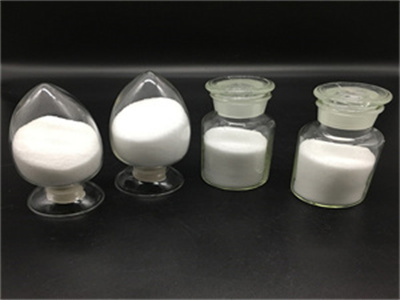
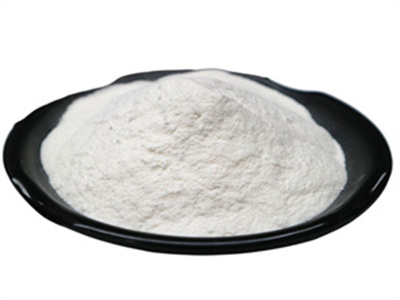
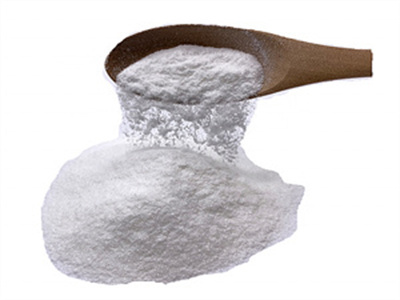
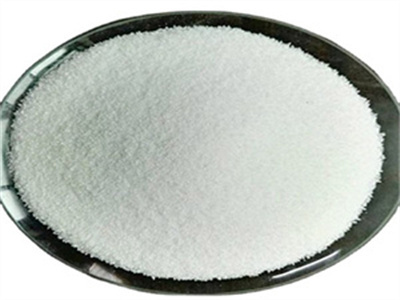
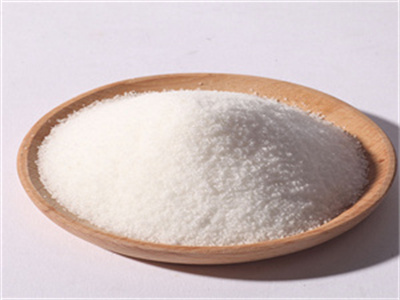
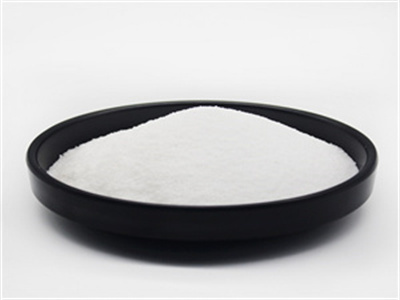
- Classification: chemical auxiliary agent
- Appearance: white or slightly yellow powder
- CAS No.:9003-05-5239
- Type: cationic,nonionic
- Formula: (C3h5no)N
- Solid Content: ≥90.5%
- Application:leather making waste water treatment
- Transport Package: 25kgs per pack
- Delivery: prompt shipment
synthesis and evaluation of cationic polyacrylamide flocculant
vu et al., [13] observed inorganic flocculant doses of up to 0.5 g/g of dry biomass was required for effective flocculation, resulting in high metal content in the harvested biomass. natural flocculants (e.g. chitosan, cationic polyacrylamide, and acacia tannin) have been used at doses of up to 0.3 g/g of dry biomass with culture ph adjustment [23].
optimizing the flocculation effect of cationic polyacrylamide,cationic polyacrylamide (cpam) is a commonly used flocculant for water treatment. factors that affect the flocculation effect and can be controlled manually include the type and dosage of cpam, wastewater ph, stirring time and settling time, and their reasonable setting is critical to the flocculation effect of cpam. in this paper, the optimal flocculation conditions of a novel cpam were
flocculation properties and kinetic investigation of sale
cationic polyacrylamide (cpam) is one of the most frequently used flocculants with high intrinsic viscosity and charge density. this flocculant is a water-soluble acrylamide-based polymer having cationic quaternary ammonium groups. cationic monomer methacryloxyethyl trimethyl ammonium chloride (dmc) has higher charge density, which is
flocculation properties and kinetic investigation of sale,more importantly, the operating expense of xac is approximately 50 % of traditional polyacrylamide flocculant. in virtues of ecofriendliness, superior flocculation capacity and low expense, xac flocculants show great promise for sewage treatment and open up a novel area for the natural polymer utilizations.
degradation of polyacrylamide and its significance in nature
high quality flocculant polyacrylamide (pam) is commonly used as a flocculant in water and wastewater treatment, a soil conditioner, and a viscosity improver and friction enhancer.
anionic polyacrylamide manufacturers, suppliers, dealers prices,discover 67 products from anionic polyacrylamide manufacturers, suppliers, distributors, and dealers across india. anionic polyacrylamide product price in india ranges from 100 to 19,500 inr and minimum order requirements from 1 to 1,000.
water soluble polymer flocculants synthesis
flocculants with less than 1% charged functional groups are considered as nonionic flocculants. 34 nonionic flocculants normally have high molecular weights, which helps them flocculate suspended particles through the bridging mechanism. 35 polyacrylamide is the most important water soluble nonionic flocculant because its monomer, acrylamide
anionic polyacrylamide pam in malaysia anionic flocculant.we are the direct importers of anionic, non-ionic cationic polyacrylamide. polyacrylamide (pam) poly acrylamide (polyelectrolyte / flocculants) applications of poly acrylamide industrial waste water treatment 1. sludge thickening 2. dewatering 3. colour removal 4. metallurgy 5. sewage treatment for various industries such as paper making 6
research on a new cationic polyacrylamide (cpam) with high quality
flocculation is a common method to improve filtration efficiency and purify water quality in water supply plants where the commonly used flocculant is cationic polyacrylamide (cpam) (vandamme et al. 2010; teh et al. 2016). for sludge dewatering, cpam shows superior conditioning performance and obtained more and more attention.
chemical anionic polyacrylamide apam powder sewage treatment,high quality chemical anionic polyacrylamide apam powder sewage treatment auxiliary agent from china, china’s leading sewage treatment polyacrylamide apam auxiliary product, with strict quality control anionic polyacrylamide apam agent powder factories, producing high quality chemical anionic polyacrylamide apam agent products.
cationic polyacrylamide pam manufacturers in india
2. add a small amount of cationic polyacrylamide products, can be greatly the flocculation effect. the general need to add 0.01~10ppm (0.01~10g/m3), can give full play to the role of. 3. at the same time, the use of cationic polyacrylamide products and inorganic flocculant (ferric sulfate, polyaluminum chloride, iron etc.), but showed a greater
a comprehensive guide to polyacrylamide (pam) products,polyacrylamide, also known as pam, is a term used to describe acrylamide and its derived copolymers and homopolymers. in industrial production, any material containing more than half of the acrylamide monomer-type polymers can be referred to as polyacrylamide.pam products are available in various forms, such as gel, emulsion, granules, beads, and sheets.
synthesis and application of anionic polyacrylamide in water
this review summarizes the synthesis methods for anionic polyacrylamide. the paper lists six different kinds of anionic polyacrylamide synthesis technologies, including homopolymerization posthydrolysis process, homopolymerization cohydrolysis process, copolymerization approach, inverse emulsion polymerization, precipitation polymerization and radiation polymerization. whats more, the authors
polyacrylamide (pam) manufacturer,flocculant supplier,asiafloc is nationally recognized in china as being a high-tech company that provides high quality products and competitive pricing. over the past 16 years, we have focused our efforts on improving our products through r d,a full range of product series have been completed,including cationic polyacrylamide ,anionic polyacrylamide ,nonionic polyacrylamide,amphoteric polyacrylamide total over
what is the chemical principle of apam-anionic polyacrylamide
the chemical principle of anionic polyacrylamide (apam) in paper mill wastewater treatment is mainly based on the functions of electrical neutralization and adsorption bridging. specifically, the polar groups on the apam molecular chain can adsorb negatively charged suspended particles in water, and through electrical neutralization, bridge the
coagulation, flocculation and clarification of drinking water,water treatment processes have allowed designs used for centuries to be refined and new designs to be created. perhaps more important, these same measurements enable better operation once the design is implemented in steel and concrete! coagulation chemical treatment typically is applied prior to sedimentation and filtration to enhance
pam (anionic polyacrylamide) industrial chemical products
pam (anionic polyacrylamide) for runoff and soil erosion control . pam, or anionic polyacrylamide, is a very long chain, high molecular weight organic polymer produced from natural gas, with characteristics which make it useful as a soil amendment to control runoff and soil loss.
flocculation mechanism induced by cationic polymers,three cationic polymers with molecular weights and charge densities of 3.0 × 10⁵ g/mol and 10%, 1.1 × 10⁵ g/mol and 40%, and 1.2 × 10⁵ g/mol and 100% were chosen as flocculants to aggregate silica particles (90 nm), under various conditions, including change in polymer dosage, particle concentration, background electrolyte concentration, and shear rate.
- Does biological filtration improve polyacrylamide biodegradation?
- Freedman, D. E. et al. Biologically active filtration for fracturing flowback and produced water treatment. J. Water Process Eng. 18, 29–40 (2017). Dai, X. et al. Waste-activated sludge fermentation for polyacrylamide biodegradation improved by anaerobic hydrolysis and key microorganisms involved in biological polyacrylamide removal.
- What are acrylamide and polyacrylamide used for?
- Acrylamide and polyacrylamide (PAM) are used in diverse industrial processes, mainly the production of plastics, dyes, and paper, in the treatment of drinking water, wastewater, and sewage. Besides inorganic form, acrylamide is formed naturally in certain starchy foods that were heated to cook a temperature above 120 °C for elongated time.
- Is acrylamide biodegradable?
- Acrylamide is subject to biodegradation in both soil and surface water. Acrylamide in environmental water had to be removed by conventional water treatment processes; however, treatment with ozone or potassium permanganate may decrease acrylamide concentration.
- What is polyacrylamide (PAM) used for?
- High molecular weight polyacrylamide (PAM) is commonly used as a flocculant in water and wastewater treatment, a soil conditioner, and a viscosity improver and friction reducer in enhanced oil recovery and high-volume hydraulic fracturing.